
A quieter trading period gives a restaurant a concrete marketing problem to solve. At Level Lounge, we connected a daytime offer with weekly artist promotions and engaging videos. The lesson is to make the reason to visit clear, publish it consistently and give people an easy next step.
Give the quiet period its own brief
Level Lounge needed more consistent visibility after an uneven publishing approach. Daytime visits and recurring entertainment both mattered, so the content had to give people a reason to visit at different times.
The practical question was what someone should come for and when. A daytime offer answers a different need from an artist announcement. Treating them as separate priorities made it easier to develop relevant creative while keeping the venue's presence coherent.
For your own venue, identify the period you want to support, the customers who can realistically visit then and the offer the operation can deliver. Confirm availability and capacity with the people running the floor before producing the campaign.
Make the offer easy to understand
The daytime campaign gave viewers a concrete reason to visit. The creative needed to make that proposition visible and connect it to the venue. An attractive video can introduce the place, but the customer still needs to understand the offer and its conditions.
Before you publish, check the offer details against the menu or booking process. Confirm the dates, availability, restrictions and next step. The same details should be consistent wherever the customer encounters them.
Test the path yourself: watch the post, open the profile, find the location and follow the booking or enquiry route. That small exercise often reveals missing information that the production team already knows but a new customer does not.
Build a rhythm around recurring entertainment
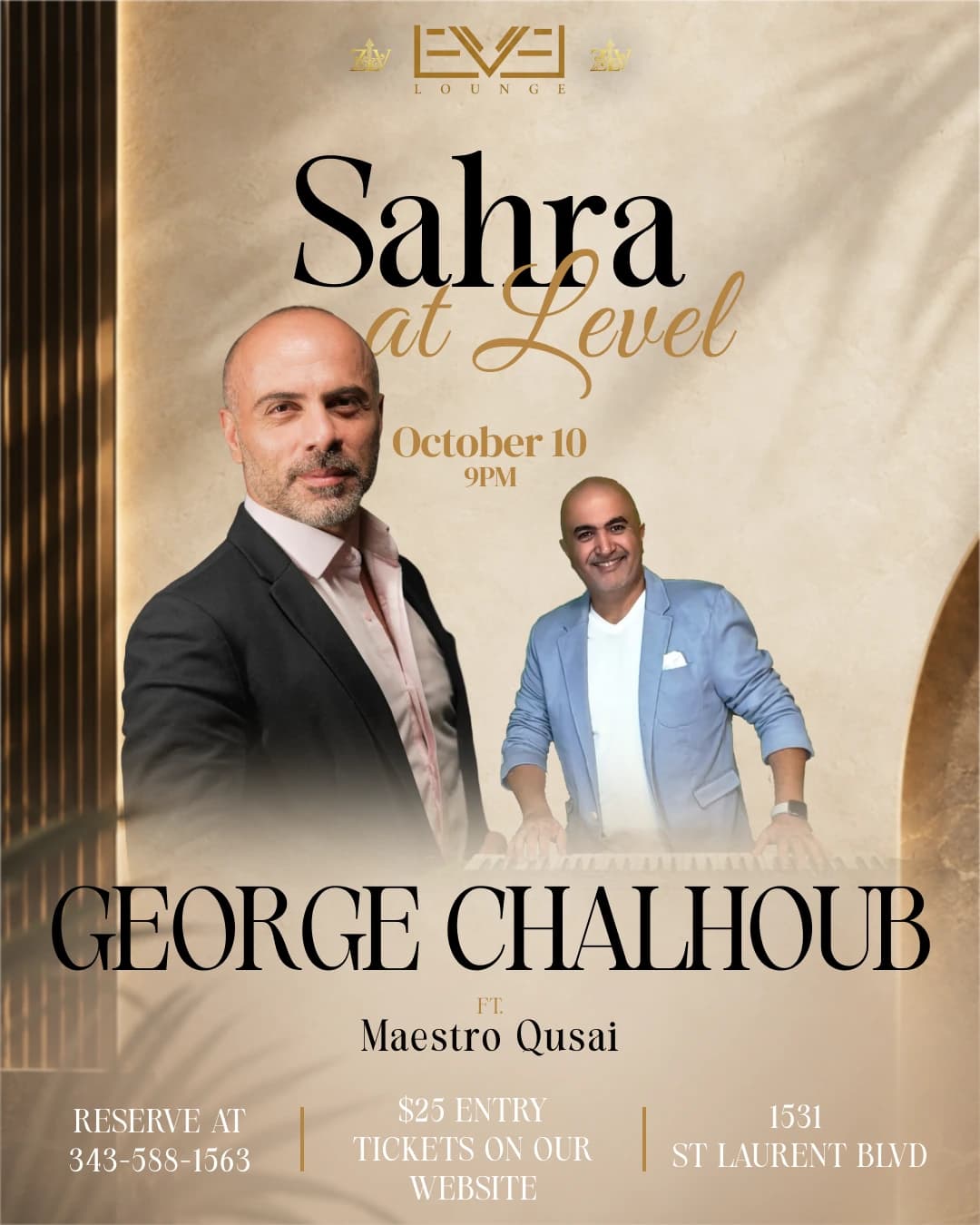
Level Lounge's artist promotions used dedicated static creative alongside video. A recurring event needs dependable information: who is performing, when it happens and how someone can reserve or attend.
Weekly creative gives each event a place in the publishing plan. Keep the visual identity recognizable, while checking every date, performer and availability detail. An older poster belongs in the project archive; it should not be reused as a current invitation.
The posters below are historical campaign examples from the project. They demonstrate the creative approach rather than the venue's current event schedule.
Show the experience between announcements
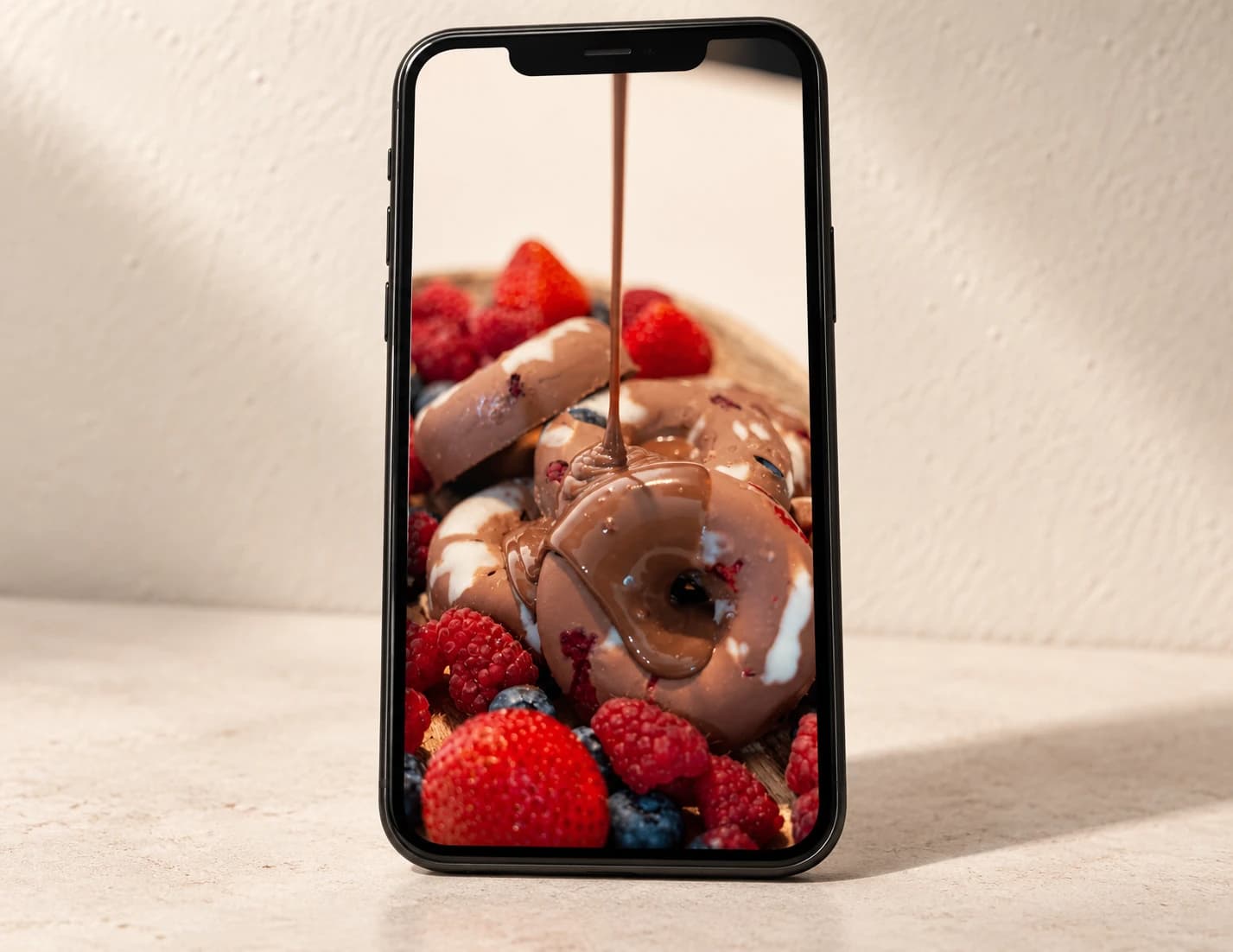
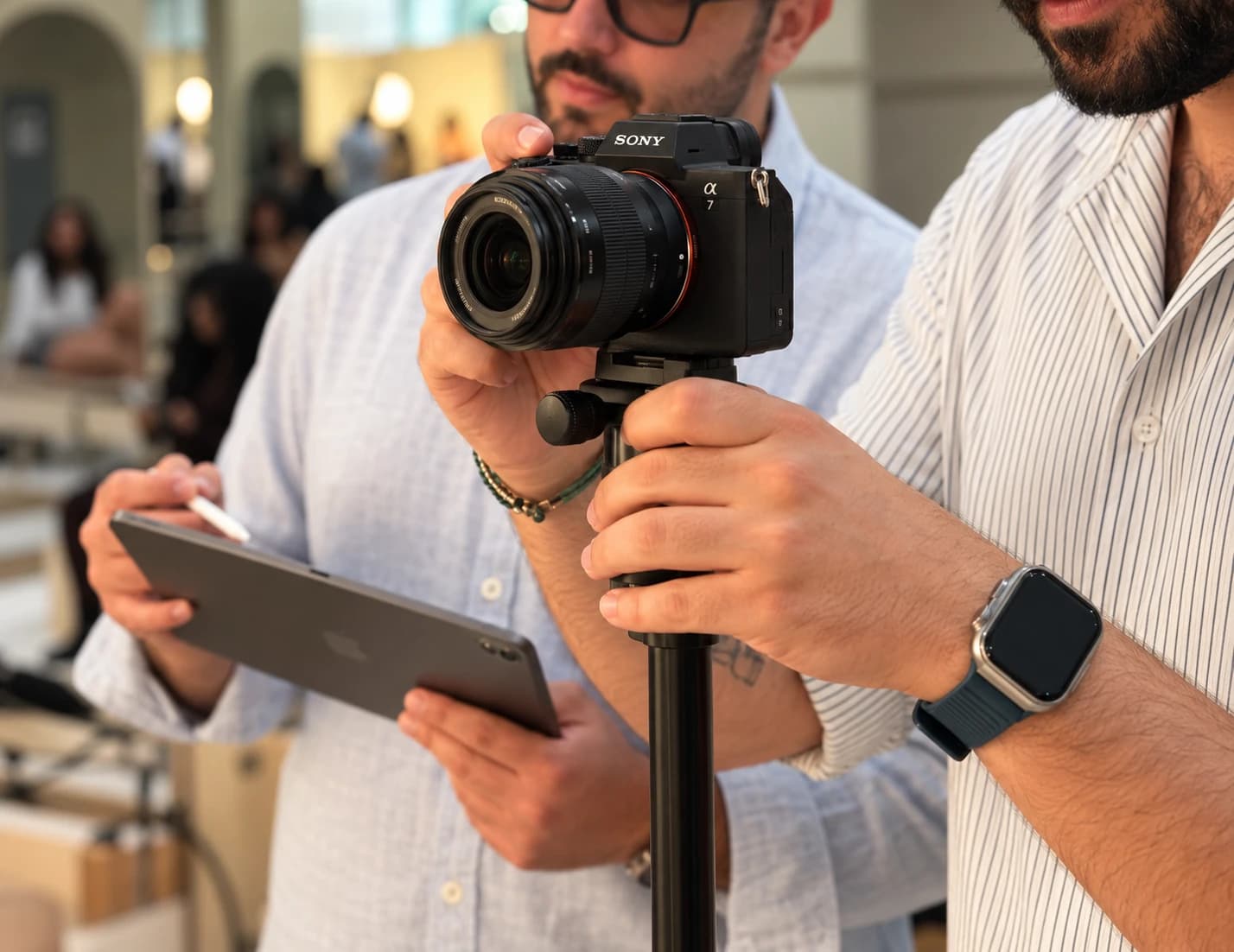
The project also used social skits, a venue walkthrough, sports-viewing content and personality-led videos. Those pieces showed the people and atmosphere behind the offers. They gave the page material beyond a stream of announcements.
Use a small set of content roles when planning your own calendar: introduce the place, explain the offer, preview an experience and answer a real customer question. Each role suggests a different shoot or edit, so the team can produce deliberately.
Keep the tone consistent with what customers will find on arrival. The strongest footage is useful because it shows the actual venue and experience.
Separate what changed from what was measured
The reported outcome for Level Lounge was increased daytime visits, consistent social visibility and weekly artist promotion. This is a qualitative account of the project. We are not presenting a measured percentage increase, attributed revenue or a controlled comparison.
If you want to evaluate a similar programme, record the starting point before the launch. Track the trading periods you are trying to improve, bookings or visits, the offer in use and the publishing activity. Ask the team to note how customers heard about the promotion where practical.
Review other changes too, including events, availability, seasonality and staffing. They can affect visits alongside marketing. A useful report makes those limits visible and helps decide what to repeat or change.
Use a weekly planning check
This is a reusable planning checklist drawn from the campaign approach. Set the cadence around your venue and production capacity.
- Choose the period and offer you are supporting this week.
- Confirm the details with operations and the person handling reservations.
- Prepare the event announcement or offer creative with one clear customer action.
- Include content that shows the actual people, space or experience.
- Approve the material in time to promote it while it is still relevant.
- Review customer response and record what the team learned.
Common questions
What should a restaurant promote during quieter hours?
Start with an offer and experience the venue can deliver in that period. Identify who can visit then, make the proposition clear and keep its conditions consistent across social, menus and booking.
Should every restaurant post follow the same format?
Different ideas benefit from different formats. Event posters can communicate essential details quickly, while walkthroughs, skits and food or experience videos help people understand the venue.
Can the Level Lounge results predict what my venue will achieve?
The case is a qualitative project account. Your outcome will depend on the offer, customers, operations, production and measurement. Establish a baseline and review your own booking or visit data.
Put it into practice
Sources and project examples
- WebRise's Level Lounge case studyProject brief, qualitative outcomes and original campaign assets.
- Level LoungeThe venue's current public site and reservation navigation.
- Current Level Lounge eventsCurrent event information; the artwork in this article is historical.
Practical notes from WebRise's strategy, website and production work.